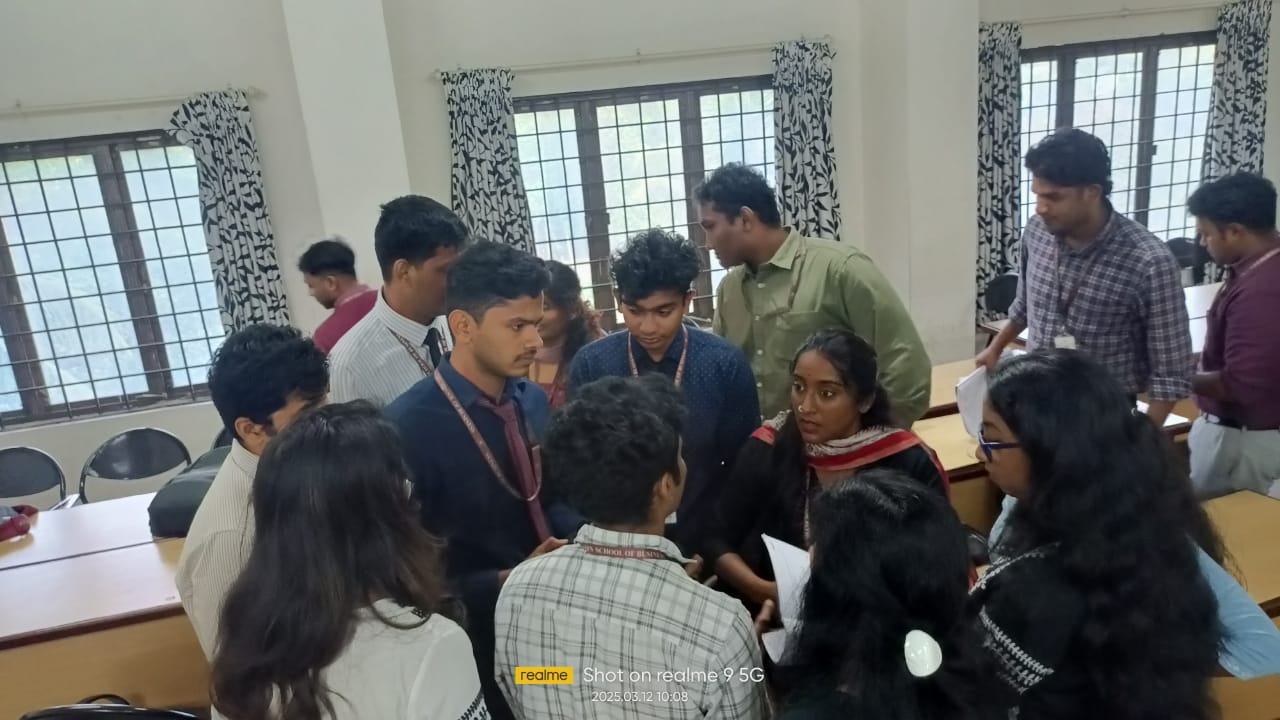
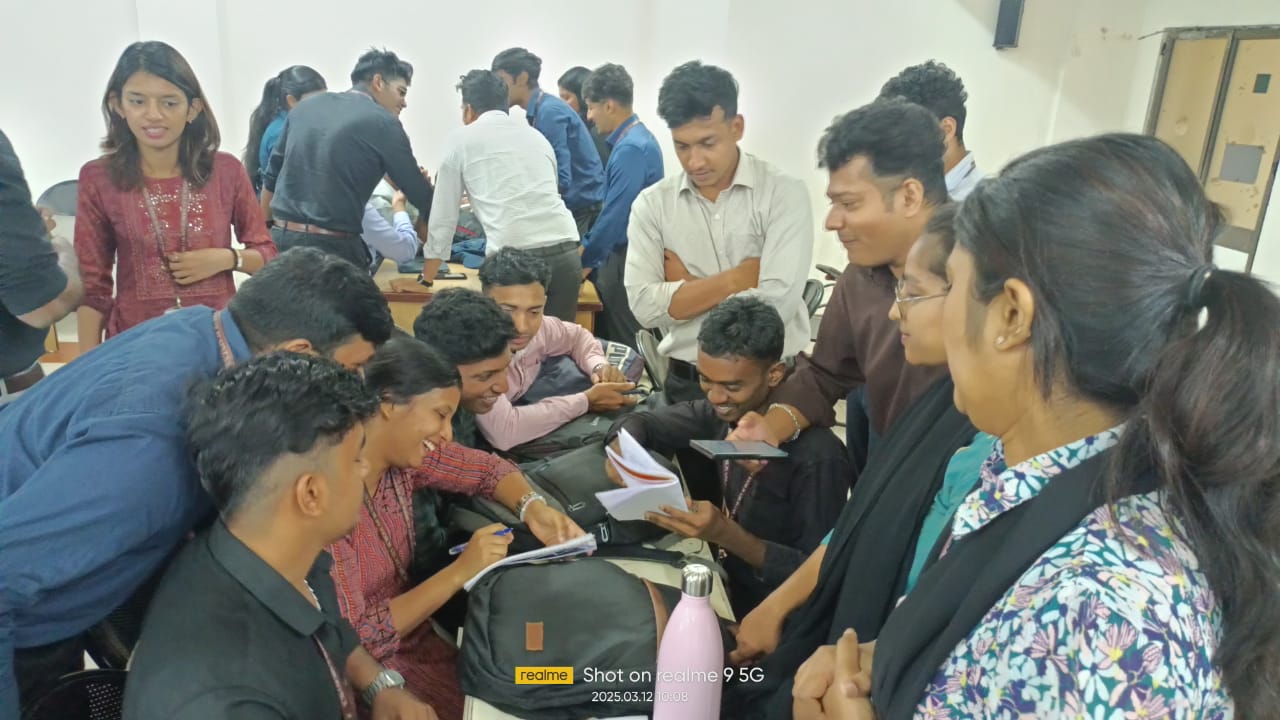
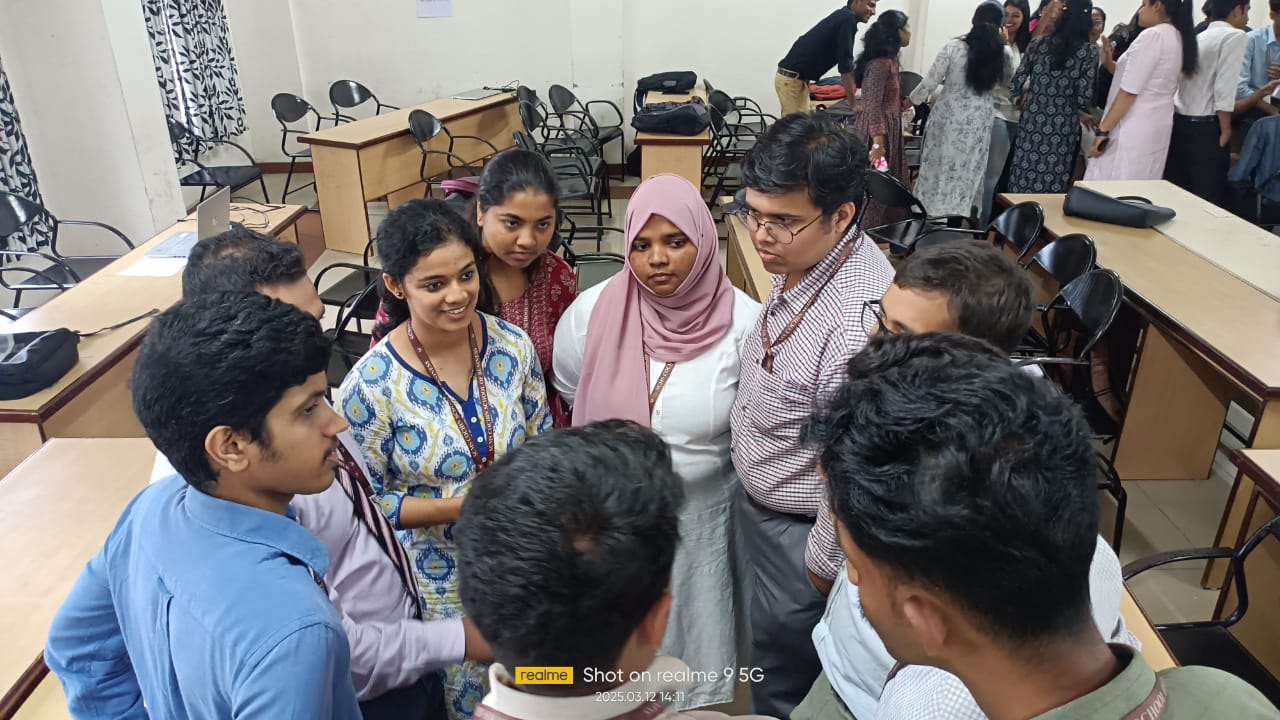
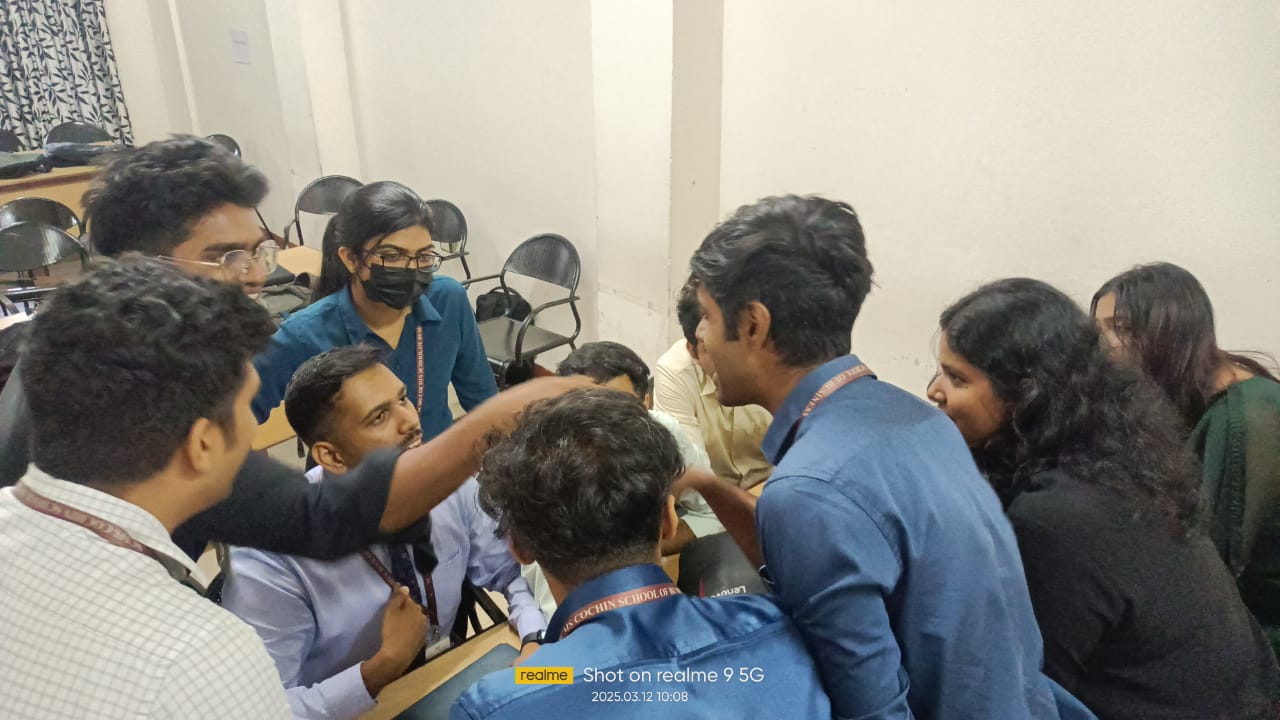
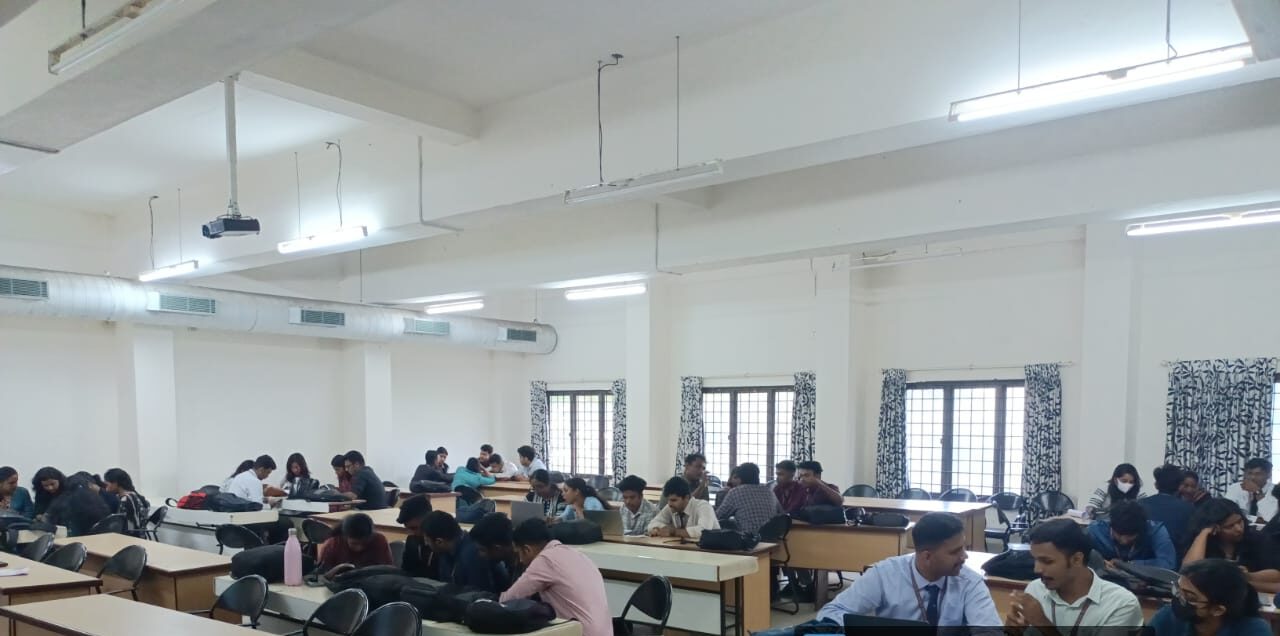
The multi-stakeholder negotiation simulation on a Global EV company’s entry into India was conducted as an intensive experiential learning activity aimed at deepening students’ understanding of complex negotiations involving multiple and often conflicting interests. Students were divided into groups, with each group representing a key stakeholder, including Indian state governments, the Central Government, the US Government, The EV company, Indian EV companies, OEM suppliers, and the Indian consumer forum.
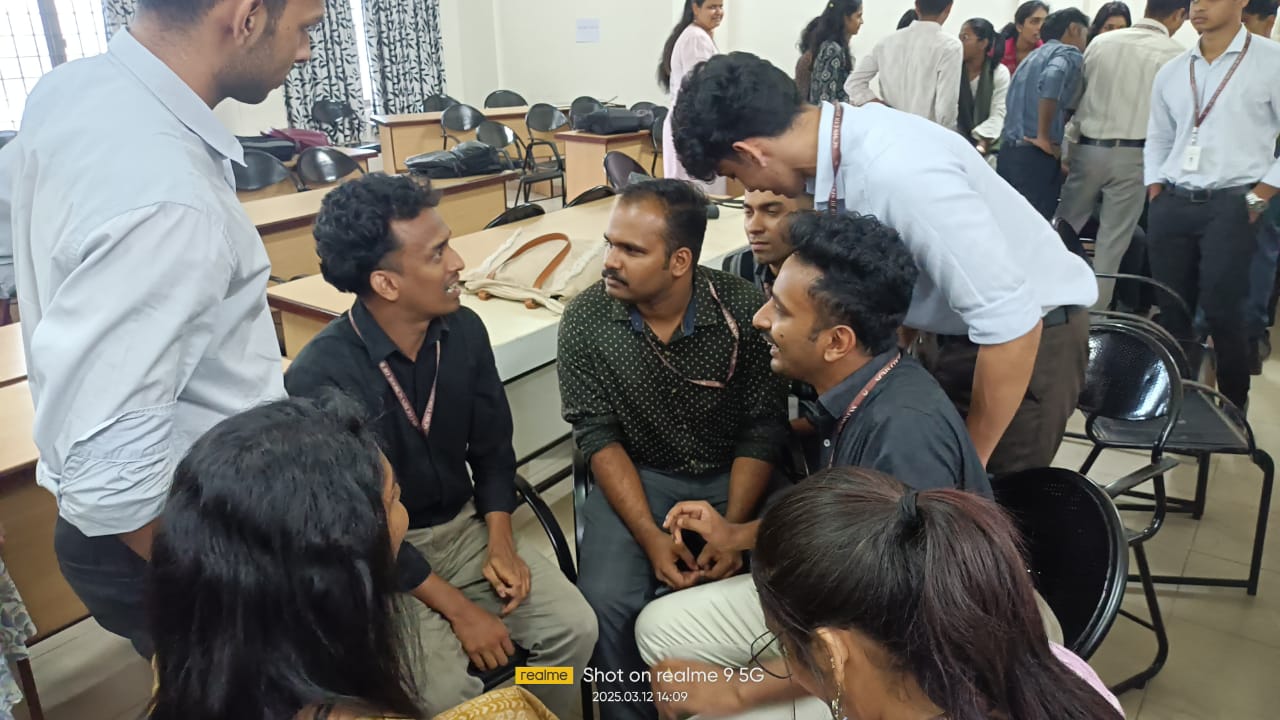
The activity began with a structured preparation phase, during which each group analysed its stakeholder’s priorities, constraints, and strategic objectives. This was followed by an active negotiation phase, where groups engaged in sustained discussions, persuasive argumentation, alliance-building, and trade-offs to influence the final outcome. Students had to balance economic incentives, political considerations, infrastructure readiness, market competitiveness, and long-term industry implications while defending their respective positions.
The final phase focused on reaching a mutually acceptable agreement on the proposed location of the EV company’s manufacturing facility and the broad contours of incentives, partnerships, and concessions. Throughout the process, students demonstrated high levels of engagement, strategic thinking, and adaptability as negotiations evolved dynamically.
The activity provided a realistic exposure to policy-driven and corporate negotiations, highlighting the challenges of consensus-building in a multi-party environment. Overall, it strengthened students’ negotiation skills, stakeholder analysis capabilities, and appreciation of real-world decision-making complexities.